





Museums and science centers serve as vital cultural institutions that engage millions of visitors each year. They provide a space for exploration, discovery, and learning, often focusing on the sciences, the arts, and history.
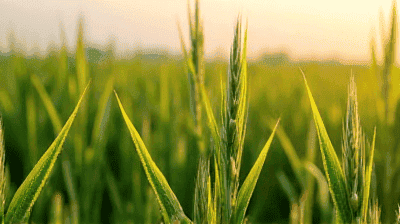
Grasslands are often underappreciated in discussions about critical ecosystems and sustainable farming practices. These expansive landscapes, characterized by vast open spaces dominated by grasses and other herbaceous plants, offer much more than meets the eye.
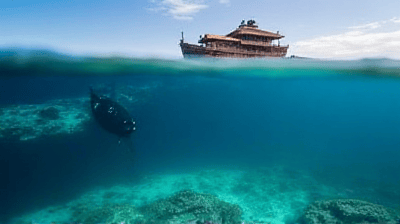
Plastic pollution has emerged as one of the most pressing environmental challenges of our time, severely impacting marine ecosystems, wildlife, and human health. With millions of tons of plastic debris entering the oceans each year, tracking and mitigating this pollution is critical.
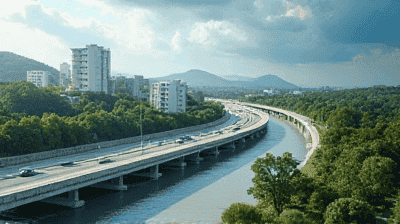
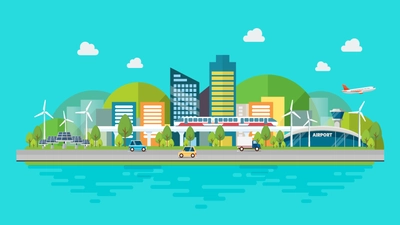
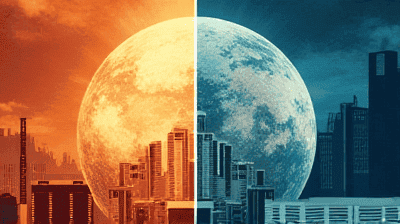
Urbanization is a defining characteristic of the modern world, with more than half of the global population now residing in cities. As urban centers continue to grow, they face a multitude of sustainability challenges, including housing shortages, environmental degradation, and rising energy consumption.
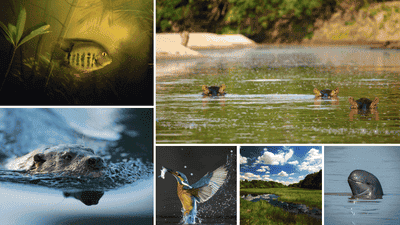
Wetlands are among the most productive ecosystems on the planet, serving as critical buffers against pollution and playing an integral role in the health of both terrestrial and aquatic environments. These unique ecosystems provide numerous ecological services, with one of the most vital being their ability to filter and purify polluted water.